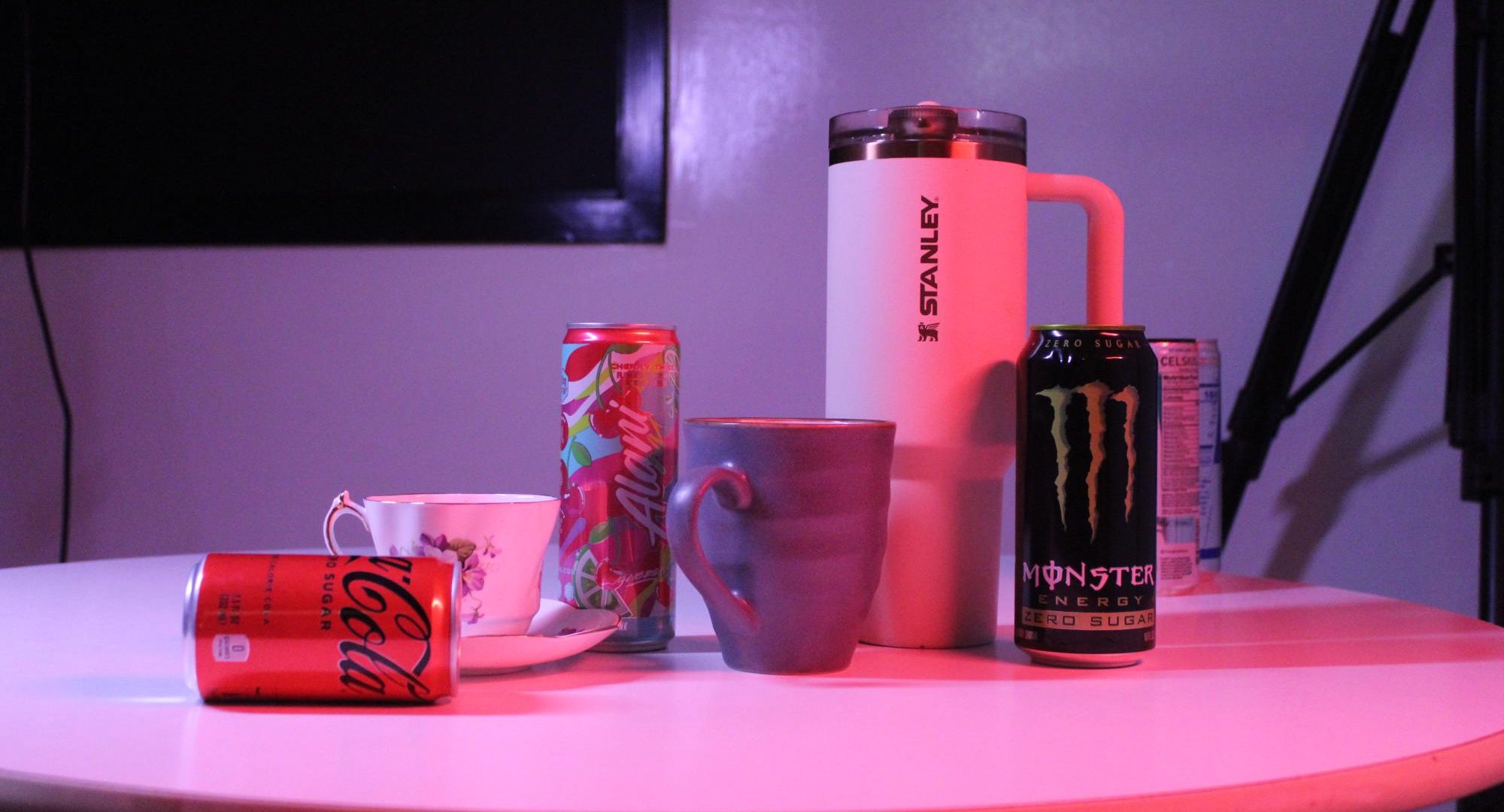

Would you want your heart to palpitate? Well, your cute and trendy energy drinks can make that happen if you drink too much of them. They can dangerously spike your heart rate, blood pressure and blood sugar because of their high levels of caffeine, sugar and other stimulants. This can potentially cause anxiety, insomnia, heart palpitations or even serious cardiac events.
In recent years, energy drinks have become more and more popular but no one sees the dark side of them and the concerns they raise. These concerns include cardiovascular problems, nervous system disorders, and the potential for addiction. Because teens are the most likely to be drinking these energy drinks this is an important risk factor for them to know. They may seem cute and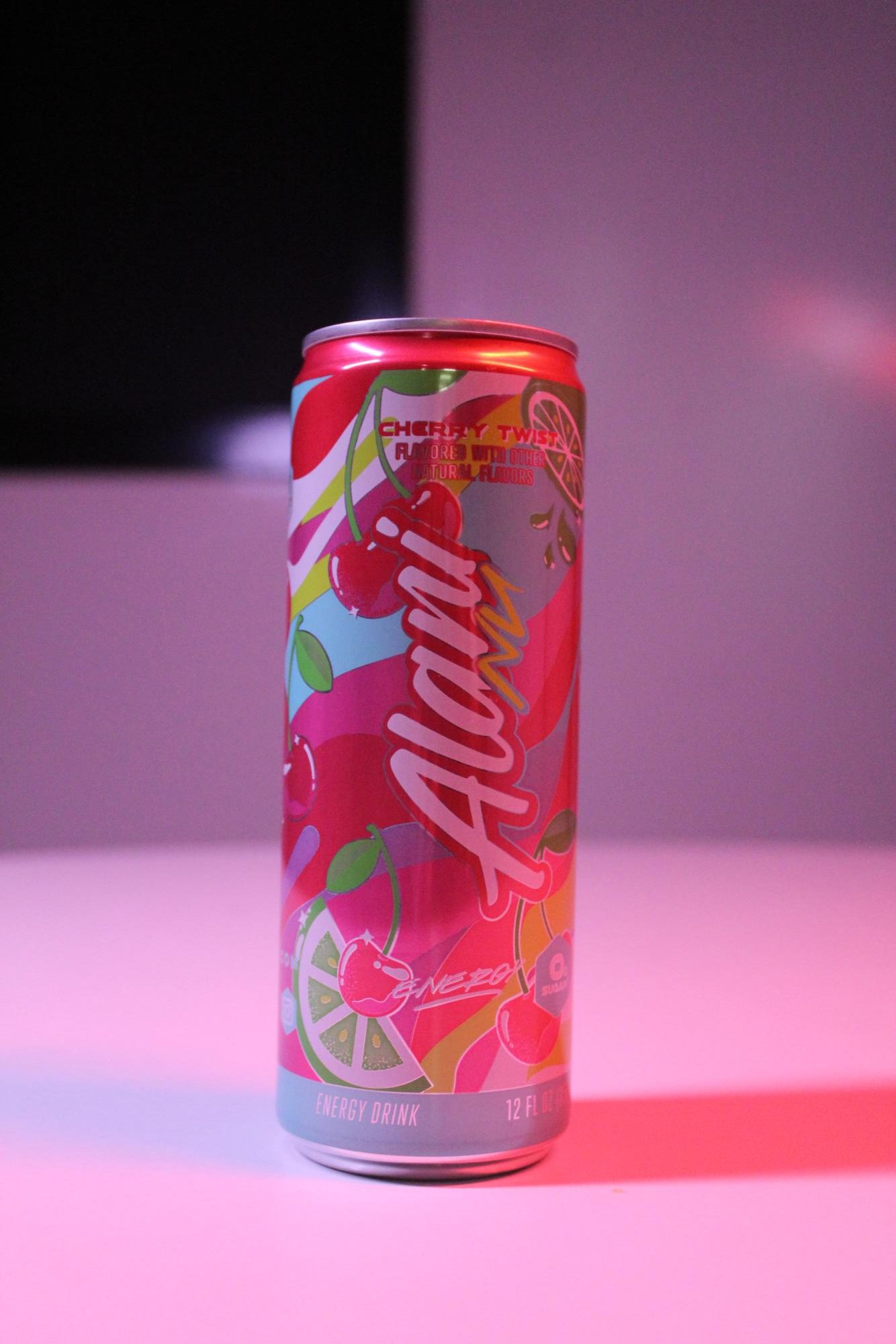 aesthetic but to be real, they come with some major issues physically and mentally with your health and wellbeing. So that is a no for me.
According to the John Hopkins Medicine, studies have found that almost one-third of teens ages 12 to 17 drink energy drinks regularly. Everyday you would have to buy 1 can which can range from $2.00 to over $4.00. Because of these prices a teen or anyone could easily spend $60 a month from buying one a day.
I am not surprised by this at all. In the hallways, you can see more than half of the people you walk by, mostly girls, holding some type of energy drinks not knowing the side effects of the overconsumption of them. But I can say from personal experience, that before learning the dangers of energy drinks, I used to drink them every day and ask my mom to buy me one every time we went out not realizing the cost and concerns one can raise.
The Legend Yearbook Clubs editor, Molly Bennett (11) has recently visited the hospital for a check up because of her overconsumption of energy drinks that gave her heart issues.
“Everyday freshman year, I would drink one Celsius in the morning however I did not see any issues with it at first but around the spring I started passing out a lot, getting dizzy constantly and my heart started palpitating,” Bennett said.
According to West Side Story, these are the rankings to least harmful to the most harmful energy drinks for teens.
10. Focus Aid
Not super popular, but actually one of the better choices. Each 12 oz can has 100 mg of caffeine—right in the safe zone for teens—and 7 g of added sugar. Most vitamins sit at healthy levels, though B12 is very high at 375% of the daily value.
9. Celsius
Celsius is a huge favorite, but it comes with 200 mg of caffeine, which is too much for anyone under 18 and already half of the adult limit. It has no sugar, but it does use natural sweeteners. It also has very high amounts of B-vitamins, especially B12 at 250%.
8. Alani Nu
Loved by fitness influencers, Alani Nu packs 200 mg of caffeine and zero sugar. The sweetness comes from sucralose and sugar alcohols. All three B-vitamins (B6, B12, Niacin) are at 110%, which is above recommended levels.
7. Zoa
Dwayne Johnson’s Zoa has 160 mg of caffeine and no sugar in a 16 oz can. It’s sweetened with artificial sweeteners and actually hits exactly 100% of the daily values for B6, B12, and Niacin—making it more balanced than most.
6. C4 Energy
C4 delivers 200 mg of caffeine and no added sugar. It uses a blend of sucralose, acesulfame potassium, and stevia. The vitamin levels get intense, though: 250% B12 and 190% Niacin.
5. Red Bull
Red Bull is known for being unhealthy, and the numbers explain why. A 16 oz can has 151 mg of caffeine and a huge 51 g of sugar, which is over the daily limit. The B-vitamin levels are also extremely high—470% B6 and 190% Niacin.
4. Monster
Monster’s 16 oz can holds 160 mg of caffeine and 54 g of added sugar. Its vitamin levels are even higher than Red Bull’s, including a massive 500% B12.
3. Rockstar
Rockstar has less caffeine (160 mg), but it contains the most sugar of all—a massive 63 g in one can. Although its vitamins are all at “normal” 100% levels, the sugar alone makes it one of the worst options.
2. Bang
Bang ties for the highest caffeine at 300 mg, which is way more than teens should have. It has zero sugar but uses sucralose for sweetness. Surprisingly, its vitamin levels stay closer to normal: 30% B6, 60% B12, and 30% Niacin.
1. Reign
Reign ranks as the unhealthiest. Containing 300 mg caffeine and no sugar, but uses artificial sweeteners. What makes it worse than Bang is the vitamin overload—120% B6, 250% B12, and 130% Niacin, far past recommended amounts.
How much caffeine is safe depends on your age, weight, and overall health. For teens, the limit is 100 mg per day, while adults shouldn’t go over 400 mg. A simple way to keep track of caffeine is by checking the nutrition label. Some energy drinks have two or three servings per can, so you may need to double or triple check the listed amounts. Although some energy drinks claim to be sugar-free, but they often replace sugar with artificial sweeteners or sugar alcohols. While artificial sweeteners have zero calories and sugar alcohols are low-calorie, they aren’t always healthy. Your body is used to processing real sugar, but sugar alcohols act more like fiber and aren’t fully digested, which can sometimes cause bloating or gas.
“I scheduled a appointment with a cardiologist who gave me a MRI for my heart and ultrasounds but couldn’t find anything wrong but I had irregular heart palpitations where my hearts skips a beat,” Bennett said.
You may be asking why does she care so much? well this is important to me not only because a lot of my friends drink energy drinks everyday ranging from alanis to monsters a lot of other people in McIntosh drink these drinks and I want to make sure to acknowledge them on the dangers of the their energy drink.
“I haven’t [had] an energy drink in the last two years because of their dangers and I don’t even drink a soda because it includes 60mg of caffeine,” Bennett said.
You must consider all the factors of drinking so many of these energy drinks because it may result in some major mental and physical problems.