A survey was sent out to the students of McIntosh in late October asking for their opinions on different aspects of life from a Gen Z perspective. Fifteen McIntosh students of various ages answered open-ended questions pertaining to fashion, physical media and how adults perceive teens and youth culture today.
Y2k Day
Homecoming Week occurred in late September in which students dressed based on given themes for the days of the week. The theme on Thursday of Homecoming Week was Y2k, which entails early 2000s fashion and aesthetics and it is a popular inspiration for current fashion. Y2k day replaced Decades Day, which was a theme that allowed for students to dress in fashion from any past decade that they chose. Criticism occurred because of the limited options people had when choosing what to dress up as. Some students did not favor the theme.
“It was cool, but I did feel limited in my outfit choices since we were limited to one exact [decade]. I liked the Decades Day theme better because it’s a wider range and each student gets to choose which decade they want to do instead of being trapped in one. Seeing a variety of styles is fun to me,” senior Madison Fambro said.
Physical Media
The 2000s doesn’t only have an influence on trending fashion. Physical media such as CDs, DVDs and vinyl records, has become more popular in recent times. The appeal of physical media for people is the ability to own a piece of art for oneself. 60% of students surveyed said that they do own or collect some sort of physical media.
“I like having physical media because if the internet ever goes dark, I’d still have a way to listen to music/watch movies,” senior Laira Cruz said.

Some students replied that they collected physical media because of streaming services constantly changing the availability of different shows and movies.
“In a world of algorithms, your favorite films will eventually be buried. Additionally, why should I have to pay for a streaming service to rewatch my favorite movies?” senior Yasmeen Alhaj said.
Social Media
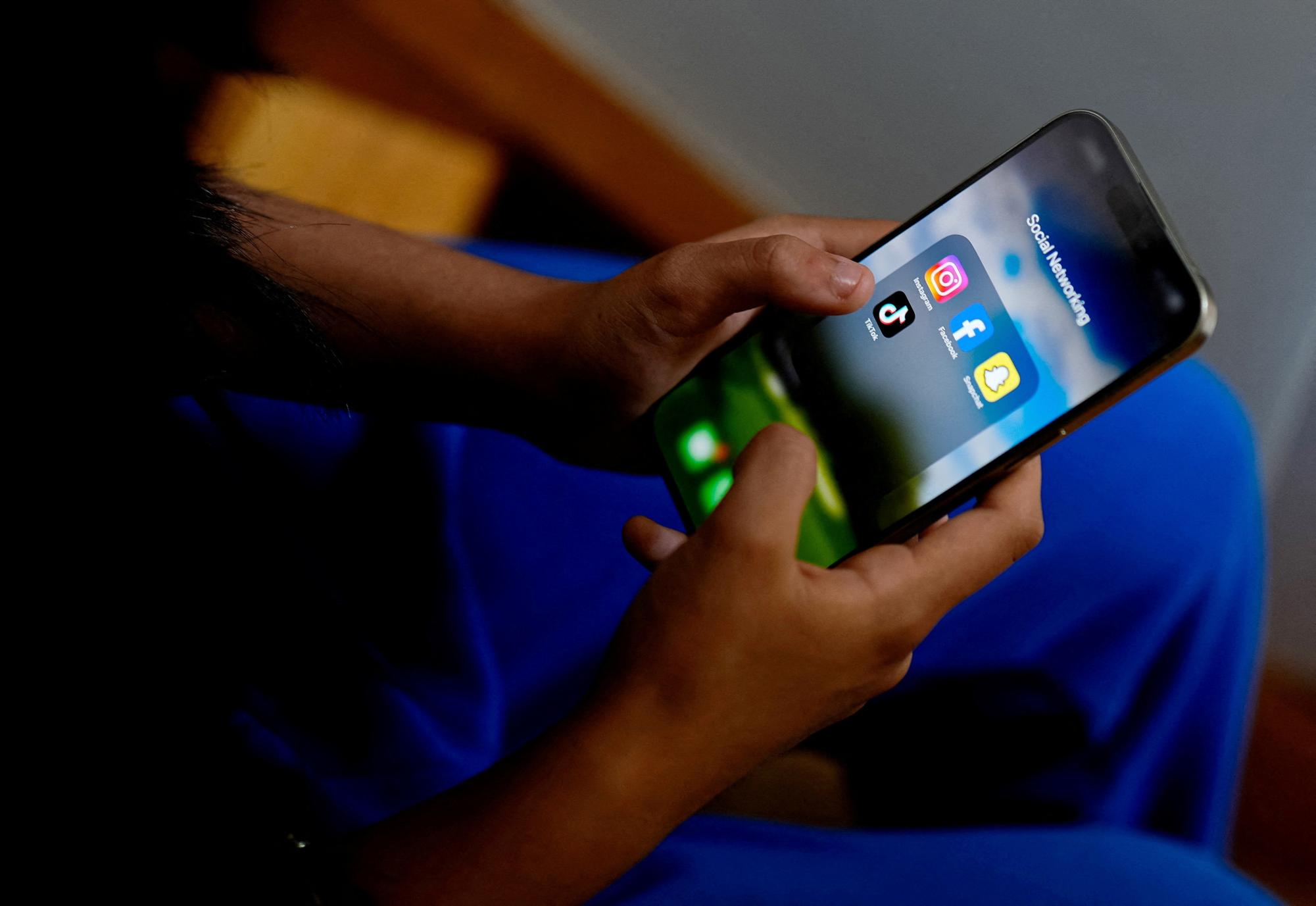
Social media is another type of entertainment that has had a heavy impact on teens today because teens are part of the first generation to be raised when social media became popular. Instagram, Twitter, Tiktok and Snapchat are all popular ways for teens to keep in touch with each other and communicate. It is also how pop culture moments spread. Memes now make up humor. People make careers out of filming their daily lives and trends fade as quickly as they appear. The internet has brought a huge change for people through archives of information being readily available at all times as well as rapid communication globally for any person with access– and young people have felt that change the most.
However, opinions on social media differ. Social media has been blamed for growing loneliness, mental health issues and straining social interactions. On the other hand, social media can also help people stay connected at all times. Some adults believe that social media is the root of these issues, but from teens’ perspectives it is more complicated.
“I think that adults think that when we’re on technology we’re only using it for bad [reasons], but that’s not true at all. We use it to stay in contact with friends and family and to learn more [about] the world we live in,” freshman Catherine Feygin said.
For a lot of teens, technology isn’t inherently bad.
“Not everything [teens] do is a ‘trend.’ We aren’t complete idiots, we can navigate the Internet better than [adults] and a lot of the knowledge we have is more well researched simply because of the technology available to us,” senior Ellie Bednarowski said.
A common trope that is attributed to teens now is that they are addicted to their phones. The problem with this statement is that some teens don’t see many alternatives.
“I don’t think we’re addicted to our phones, [adults] have just created a society [where] it’s impossible to be a teenager, so to cope with it we pass time on our phones,” junior Arayna Gupta said.
Adults blame constant phone usage as the reason for growing social divides among teens, but some refuse to acknowledge that they are just as affected by the new technologies. The divide between teens and adults comes partially from the misunderstanding of teens’ active use of technology. Social media has brought new social norms throughout society, and some teens feel the pressure to conform or face backlash.
“I think [adults] don’t know how much social media impacts our lives and how many people feel like they have to act a certain way all the time because they can be recorded at any moment when in public,” senior Aahana Gupta said.
Phones are not going away anytime soon and neither is the criticism of social media. As the digital age becomes harder to ignore in current times, especially with the prevalence of AI, teens are now trying to find a balance between the real world and the one online.
“[Our generation has the] willingness and capability to individualize ourselves despite the challenges of the digital age (regardless if that is a good thing),” senior Alex Gomez said.